
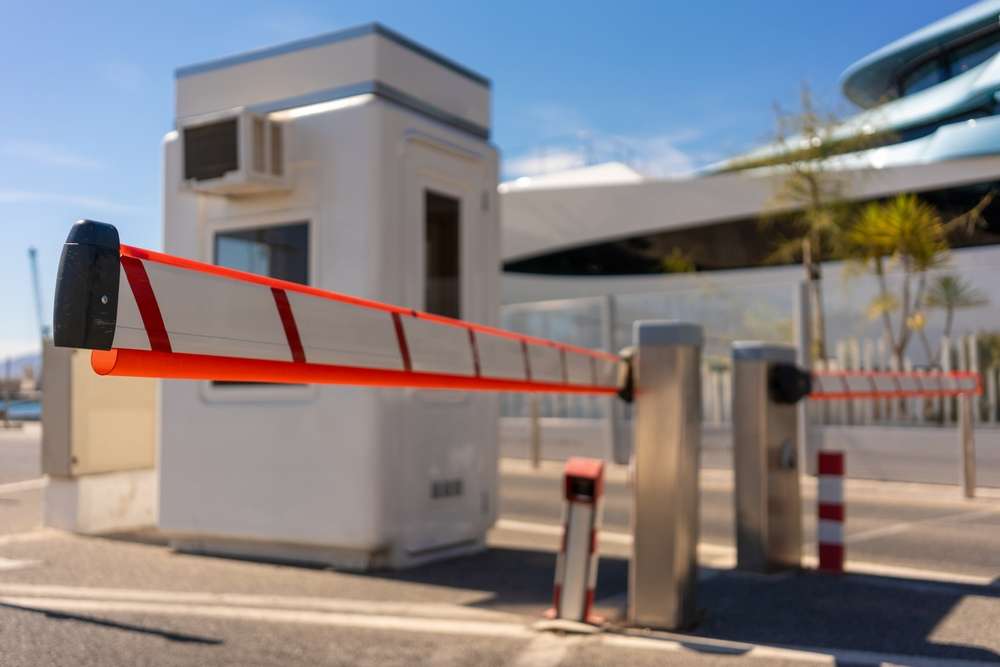
Vehicle Barriers: Enhancing Security and Access Control for Commercial Properties
Vehicle barriers play a critical role in modern perimeter security systems. From industrial facilities and transportation hubs to government sites and commercial properties, vehicle barriers help control access, protect assets, and prevent unauthorized vehicle entry.
As security threats continue to evolve, many organizations are implementing vehicle barrier systems as part of a comprehensive security strategy. Whether the goal is managing daily traffic flow, restricting access to secure areas, or protecting critical infrastructure, vehicle barriers provide an effective solution for controlling who can enter a property and when.
What Are Vehicle Barriers?
Vehicle barriers are physical security devices designed to regulate, restrict, or prevent vehicle access to a property. They can be used as standalone security measures or integrated with access control systems, surveillance equipment, fencing, and automated gate systems.
Vehicle barriers are commonly installed at:
- Industrial facilities
- Manufacturing plants
- Warehouses and distribution centers
- Government facilities
- Military installations
- Airports
- Corporate campuses
- Parking facilities
- Transportation hubs
- Critical infrastructure sites
These systems help create controlled access points while improving overall site security.
Benefits of Vehicle Barrier Systems
Vehicle barriers provide several advantages for commercial and industrial properties.
Improved Security
The primary purpose of a vehicle barrier is to prevent unauthorized access. By controlling entry points, property owners can reduce the risk of theft, vandalism, trespassing, and other security threats.
Traffic Management
Vehicle barriers help organize traffic flow and ensure vehicles enter and exit through designated access points. This can improve efficiency and reduce congestion in busy facilities.
Controlled Access
Modern barrier systems can be integrated with access control technology, allowing only authorized personnel and vehicles to enter restricted areas.
Protection of Critical Assets
Many facilities use vehicle barriers to protect equipment, inventory, buildings, and infrastructure from accidental or intentional vehicle intrusion.
Types of Vehicle Barriers
Different facilities require different levels of security and operational flexibility. Several types of vehicle barriers are available depending on the property’s needs.
Manual Vehicle Barriers
Manual barriers offer a simple and cost-effective solution for controlling access. These systems are often used in locations with lower traffic volumes where full automation is not required.
Benefits include:
- Simple operation
- Low maintenance requirements
- Cost-effective installation
- Reliable performance
Manual barriers are commonly used at service roads, maintenance yards, and secondary access points.
Automatic Vehicle Barriers
Automated barriers provide greater convenience and security for facilities with frequent vehicle traffic.
Automatic barrier systems can be operated using:
- Push-button controls
- Remote controls
- Intercom systems
- Gatehouse operations
- Access control systems
These systems are often used at commercial facilities, corporate campuses, and industrial properties.
Access Code Entry Barriers
Access code barriers allow authorized users to enter a property by entering a unique access code at a keypad.
Advantages include:
- Easy user management
- Controlled access
- Reduced need for physical keys
- Flexible access permissions
These systems are commonly used at employee entrances, secured parking areas, and commercial facilities.
Proximity Card and Key Fob Barriers
Proximity systems allow authorized personnel to gain access using a card, badge, or key fob.
Benefits include:
- Fast vehicle entry
- Improved user convenience
- Enhanced security tracking
- Easy credential management
These systems are popular among industrial facilities, office campuses, and logistics operations.
License Plate Recognition Barriers
Automatic Number Plate Recognition (ANPR) systems use cameras to identify approved vehicles and automatically grant access.
These systems offer:
- Touch-free entry
- Improved traffic flow
- Automated access management
- Detailed vehicle access records
ANPR systems are frequently used at secured commercial facilities, parking structures, and logistics centers.
Wedge Barriers
Wedge barriers provide one of the highest levels of vehicle security available. These systems rise from the ground to physically stop vehicles from entering a protected area.
Wedge barriers may be:
- Hydraulic
- Electric
- Surface-mounted
- Crash-rated
These systems are commonly installed at government facilities, military installations, airports, and other high-security locations.
Vehicle Barriers and Access Control Integration
Modern vehicle barriers often work alongside access control systems to create a complete perimeter security solution.
Integration options may include:
- Keypad entry systems
- Intercom systems
- Card readers
- RFID technology
- Biometric systems
- License plate recognition
- Security cameras
Combining these technologies helps improve security while maintaining efficient traffic flow.
Industries That Benefit from Vehicle Barriers
Vehicle barrier systems are used across a wide range of industries and facility types.
Common applications include:
- Industrial and manufacturing facilities
- Warehouses and distribution centers
- Government facilities
- Airport security checkpoints
- Utility infrastructure sites
- Corporate campuses
- Healthcare facilities
- Transportation and logistics hubs
- Parking facilities
Each facility has unique operational and security requirements that influence the type of barrier system selected.
Choosing the Right Vehicle Barrier System
Several factors should be considered when selecting a vehicle barrier solution.
These include:
- Security requirements
- Traffic volume
- Access control needs
- Site layout
- Available space
- Operational goals
- Required level of protection
A properly designed barrier system should balance security, efficiency, and long-term reliability.
Vehicle Barriers as Part of a Complete Security Strategy
Vehicle barriers are often most effective when combined with other perimeter security measures such as fencing, automated gates, surveillance systems, and access control technologies.
Together, these systems help create multiple layers of protection that improve security while supporting efficient daily operations.
Vehicle Barrier Installation and Security Solutions
Whether protecting a warehouse, industrial facility, government property, or transportation hub, vehicle barriers provide an effective way to manage access and strengthen perimeter security.
The right barrier system can help reduce risk, improve operational efficiency, and provide long-term protection for people, property, and critical infrastructure.